

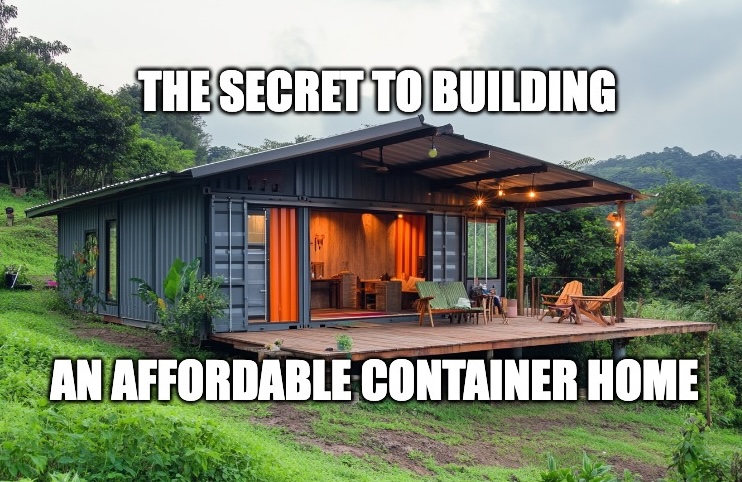
Imagine constructing your dream home at a fraction of the traditional cost. This might seem impossible, but welcome to the world of container homes—where innovation meets affordability! Often overlooked, shipping containers offer a robust and sustainable alternative for home building. Intrigued? Stick around. We’re unlocking the secrets that will make your affordable container home a reality.
1. Understanding the Container Home Phenomenon
Container homes are revolutionizing the housing industry. Made from recycled shipping containers, they’re not only cost-effective but also eco-friendly. In an era where sustainability is key, these homes tick all the right boxes. But what exactly makes them so appealing?
Shipping containers provide a sturdy and flexible base for construction. With an average lifespan of 25 years, they promise longevity while being easy to transport and customize. This versatility has sparked a wave of creative designs emerging from both professional architects and daring DIY enthusiasts.
Yet, many still question the feasibility of living in what was once used to ship goods across the ocean. Isn’t it cramped? Surprisingly, not! With clever design techniques, container homes can be just as spacious and comfortable as traditional dwellings.
2. Benefits that Make Container Homes Stand Out
Here’s why you should consider container living. First off, the cost! With rising housing prices, building with containers offers significant savings. Containers can often be sourced for as little as $2,000. With some creative planning, the entire home can come in under budget compared to traditional homes.
Environmental impact is another massive benefit. Reusing containers minimizes the need for new building materials, reducing carbon footprints. Plus, they offer fantastic insulation potential when paired with the right materials—keeping your living space efficient and comfortable.
Lastly, ease of construction is a major draw. Unlike traditional homes that can take years, a container home can be built in weeks—allowing for quicker occupancy and less stress. The modular nature makes customization easy, letting your personality and preferences truly shine through in your home design.
3. Challenges You Might Face and How to Overcome Them
Not everything is smooth sailing in the construction world. Challenges such as zoning laws and permits can be a headache. Container homes are still novel in many places, posing a challenge in jurisdictions with strict building codes.
Additionally, considering insulation is critical. Poorly insulated containers can become sauna-like in hot weather and iceboxes in winter. Luckily, with proper planning and material choice, these issues can be drastically mitigated.
Corrosion is another concern, especially in wetter climates. Opting for structures with a solid paint job or applying rust-proof coatings can help maintain container integrity. Remember, being proactive about potential problems helps keep them from becoming deal-breakers.
4. Gathering Your Materials and Tools
Before jumping into construction, make sure you have the right materials and tools. The core ingredient? The container itself! Search for good quality units with minimal rust and wear. Several available on the market include high cube containers, offering more ceiling height than standard variants.
Tools like plasma cutters, welding machines, and insulation materials are indispensable. Safety gear such as gloves and goggles is critical when modifying the structure. Planning your accessories early allows for adequate budgeting, helping avoid mid-project purchases that could spiral costs.
Associating with the right suppliers for quality spray foam, doors, and windows ensures durability and safety. It’s about investing in longevity while keeping costs reasonable.
5. Crafting a Well-Thought-Out Design
Design is where the magic happens. Consider your needs—whether it’s a cozy nook for reading, a chef’s kitchen, or simply space to relax. Balance functionality with aesthetics to create a blissful home experience. One container can be a minimalist’s haven, but combining several allows for multi-level homes with dynamic geometries.
Think of lighting! Maximizing natural light not only heats your home but also reduces electricity usage. Skylights and large windows bring in light and make spaces appear larger, driving warmth and brightness.
Lastly, emphasize flow in your layout. Open plans create seamless transitions between spaces, adding to the liberating feel of your overall design.
6. Legal Considerations and Quick Tips
It’s essential to ensure your dream doesn’t hit a legal snag. Check your area’s zoning regulations beforehand. Some jurisdictions may have specific codes regarding residential container use. Engaging with architects or contractors familiar with container policies can streamline the process.
Secure necessary permits early to avoid delays. The lack of familiarity with container homes might result in extra scrutiny, so preparedness is key. Patience and persistence often lead to smoother approvals and compliance.
Lastly, connect with local communities or forums. Shared experiences can provide valuable insights and improve your overall strategy.
7. From Idea to Reality: Building Process Step-by-Step
With your design and paperwork sorted, the exciting phase begins. Start with site preparation by ensuring leveling and ground stability. Whether you choose a foundation style or directly place on soil, precision here avoids headaches later.
Next, tackle modification. Doors, windows, and partition walls dictate how you’ll navigate daily life. Weld and cut carefully, respecting load paths to keep structural integrity intact.
Add insulation to manage thermal comfort, followed by interior finishes that align with your design. Layering these steps methodically transforms your blueprint into a lived experience.
8. Insulation and Climate Control: Keeping Comfortable
Insulation is a game-changer in container homes. Without it, temperatures fluctuate wildly. Spray foam, wool, or panels? Each has pros and cons. Choose based on your climate needs and budget.
Sustainable options like hemp and sheep’s wool offer fantastic insulating capabilities while being environmentally friendly. But, basic spray foam provides superior air sealing, effectively managing humidity.
Mix and match solutions for ideal thermal regulation, balancing efficiency and cost. Your choices here shape your daily comfort, ensuring your container space remains cozy year-round.
9. Interior Design Tips to Maximize Space
Limited space? No problem! Clever interior design tricks make a difference. Opt for multifunctional furniture like sofa beds or extendable tables. Vertical storage solutions optimize ground space, making tiny footprint areas feel expansive.
Use mirrors to create an illusion of space and bright colors to enhance openness. Avoid clutter by adding hooks and baskets for easy organization.
Decorate with personal touches but keep it minimalist to capture the essence of modern living. With these tips, every square inch is creatively and effectively utilized.
10. Adding Personal Touches to Make It Home
Your container home is almost complete. Now it’s time for your personality to shine through. Bring in art pieces, statement lamps, or family photos to personalize your space. Consider a feature wall with your favorite pattern or color to add warmth and character.
Indoor plants introduce a fresh vibe while improving air quality. They soften the industrial look of containers, creating a seamless blend with the outdoors.
Remember, it’s these personal touches that transform a house into a home, making every moment feel uniquely yours.
11. The Role of Solar Energy and Sustainability
Going green isn’t just a trend, it’s a responsibility. Solar panels on your container home can substantially reduce energy bills while positively impacting the environment. It complements the ethos of using recycled materials for construction.
Incorporate rainwater collection systems to conserve water. These additions not only boost sustainability but also enhance your home’s efficiency, leading to a more self-sufficient lifestyle.
Transitioning to green energy equips you to contribute positively to the planet while easing your utility burden long-term.
12. Financing Your Container Home Project
Although cost-effective, financing a container home requires careful planning. Traditionally, mortgages might not be a viable option for these homes, but personal loans or specialized lenders fill the gap.
Research grants and incentives for building green is rewarding. Many governments offer financial benefits for sustainable projects, lowering your overall expenditure.
Budget realistically, considering unexpected costs like site preparation and utility setup. A use-case financial plan fosters clarity and mitigates surprises during construction.
13. Real-Life Success Stories: Inspiration from Others
It’s helpful to learn from those who’ve navigated this path. Many enthusiasts have transformed their container dreams into charming realities. Like Sarah, a teacher who built her nature-inspired retreat in less than six months! Or Tom, who combined urban chic with rural serenity.
These stories often begin with a leap of faith and end in rewarding, fulfilling living spaces. Personal experiences showcase that with vision and dedication, container homes are unbelievably achievable.
A supportive community and shared tips can motivate your endeavor, ensuring you’re not alone in your journey.
14. Maintaining and Upkeeping Your Container Home
Like any home, maintenance ensures longevity. Regularly inspect for rust and leaks, especially after weather changes. A periodic fresh coat of rust-resistant paint enhances longevity against natural elements.
Check insulation and seals to maintain energy efficiency. These routine check-ups ensure your home remains comfortable and costs low over time.
With consistent care, your container house will not only retain its value but increase in aesthetic appeal through the years.
15. The Future of Container Architecture: Trends and Innovations
Container homes are not just a fad. Emerging trends include multifunctional design elements, like transforming walls and smart home technologies embedded in container architecture—showcasing innovation beyond convention.
Architecturally integrated gardens and biophilic designs emphasize a sustainable and connected dwelling ethos—these designs harmoniously blend nature with living spaces.
The future holds endless potential as technology and creative thinking continue to push boundaries, making container homes an exciting, efficient, and enduring choice for housing solutions worldwide.
16. Breaking Container Home Myths
Let’s debunk some myths! Many believe container homes are mere fad or temporary solutions. In reality, they’re durable long-term housing options adapting to contemporary needs.
Containers being ‘too small’ is a common misconception. Thoughtful design allows for spacious layouts, with stacking styles expanding possibilities into multiple floors.
Lastly, the industrial look isn’t obligatory. Not all container homes appear factory-like; with creativity, they transform into beautifully inviting spaces, combining function and flair.
17. How to Start Your Container Home Journey Today
The idea is appealing and the possibilities endless. Your journey to a container home starts with breaking down and planning each phase. Utilize available resources, connect with communities, and explore creative inspirations.
Reflect on your lifestyle needs, future growth, and budget, anchoring your project in reality. Seek collaborations if needed, from architects to local builders.
Most importantly, step confidently into this adventure! It’s not just about building a house but crafting a sustainable, fulfilling lifestyle that echoes your personal ethos.